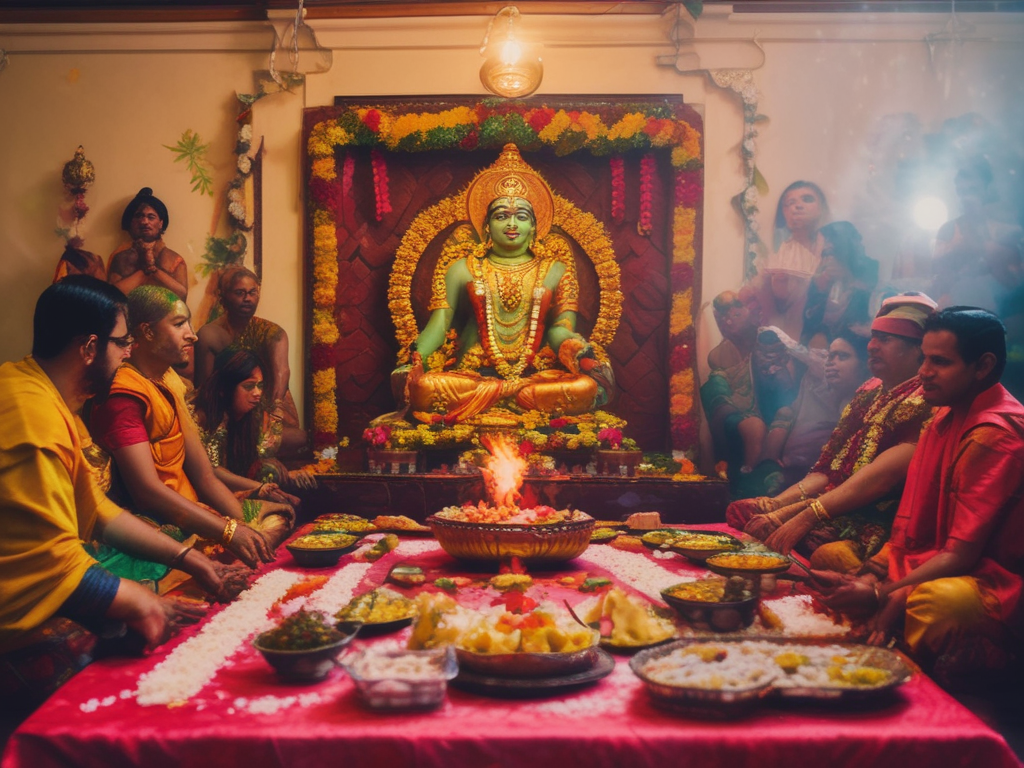
Satyanarayana Puja: A Celebration of Faith and Gratitude Across India
The Satyanarayana Puja, a vibrant Hindu ceremony dedicated to Lord Vishnu, the preserver god, transcends regional boundaries in India. This cherished ritual, observed by devotees across the country, embodies faith, gratitude, and the hope for a prosperous life. Let’s delve into the history, significance, and diverse practices associated with this unique puja.
A Legacy Steeped in Time: Unveiling the Origins
The exact origin of the Satyanarayana Puja remains shrouded in some mystery. Scholars believe it finds its roots in the ancient Sanskrit text, Skanda Purana, with estimates placing its emergence sometime between the 5th and 8th centuries CE. Over the centuries, the puja gained widespread popularity, becoming an integral part of Hindu households across various regions of India.
Why Celebrate? Seeking Divine Blessings
Devotees perform the Satyanarayana Puja for a multitude of reasons, seeking the blessings of Lord Vishnu:
- Expressing Gratitude: Thanking the Lord for his benevolence, good fortune, and protection bestowed upon them and their families.
- Yearning for Prosperity: Praying for success, peace, happiness, and the fulfillment of cherished desires.
- Overcoming Obstacles: Appeasing Lord Vishnu to remove hurdles and challenges hindering their life’s journey.
- Spiritual Growth: Seeking the Lord’s guidance and blessings for their spiritual advancement.
Unlike pujas associated with specific festivals, the Satyanarayana Puja offers flexibility, allowing devotees to perform it throughout the year.
Embracing Flexibility: When to Perform the Puja
The beauty of the Satyanarayana Puja lies in its adaptability. It can be performed at any time of the year, unlike many pujas tied to specific festivals. Devotees have the freedom to choose an auspicious day based on their beliefs or consult a priest for guidance. However, some days hold particular significance:
- Purnima (Full Moon Day): Considered especially auspicious for pujas, Purnima is a popular choice for the Satyanarayana Puja.
- Saturdays: Dedicated to Lord Vishnu, Saturdays are also seen as favorable days for the puja.
- Ekadashi (Eleventh Day of the Lunar Month): A day of fasting and devotion, Ekadashi can be combined with the Satyanarayana Puja for added spiritual merit.
Sources:
The Rituals Unfolded: A Step-by-Step Guide
The Satyanarayana Puja follows a core set of rituals, typically overseen by a priest or conducted at home by devotees. Here’s a simplified breakdown of the procedure:
- Preparation: The puja space is cleansed, and an altar is set up with an idol or image of Lord Vishnu. Offerings like fruits, flowers, sweets, and incense are prepared.
- Invocation: The puja begins with prayers invoking Lord Vishnu and Ganesha, the remover of obstacles.
- Kalasha Sthapana: A sacred pot (kalasha) filled with water, mango leaves, and a coconut is placed on the altar, symbolizing abundance.
- Panchamrut Offering: A mixture of five elements (panchamrut) – milk, curd, ghee (clarified butter), honey, and sugar – is offered to the Lord.
- Satyanarayana Katha Recitation: The priest or a devotee recites the Satyanarayana Katha, a holy story that narrates the significance of the puja and the rewards of performing it with devotion.
- Aarti and Offering: Aarti, a lighting ceremony with lamps, is performed, followed by offering prepared food (bhog) to the deity.
- Prasadam Distribution: The offered food is sanctified (prasadam) and distributed among devotees as a blessing.
- Prayers and Conclusion: Concluding prayers and mantras are chanted, seeking the Lord’s blessings.
The specific rituals and customs may vary slightly depending on family traditions and regional practices.
A Tapestry of Customs and Rituals: Regional Variations
While the core essence remains consistent, the Satyanarayana Puja takes on unique flavors across different regions of India:
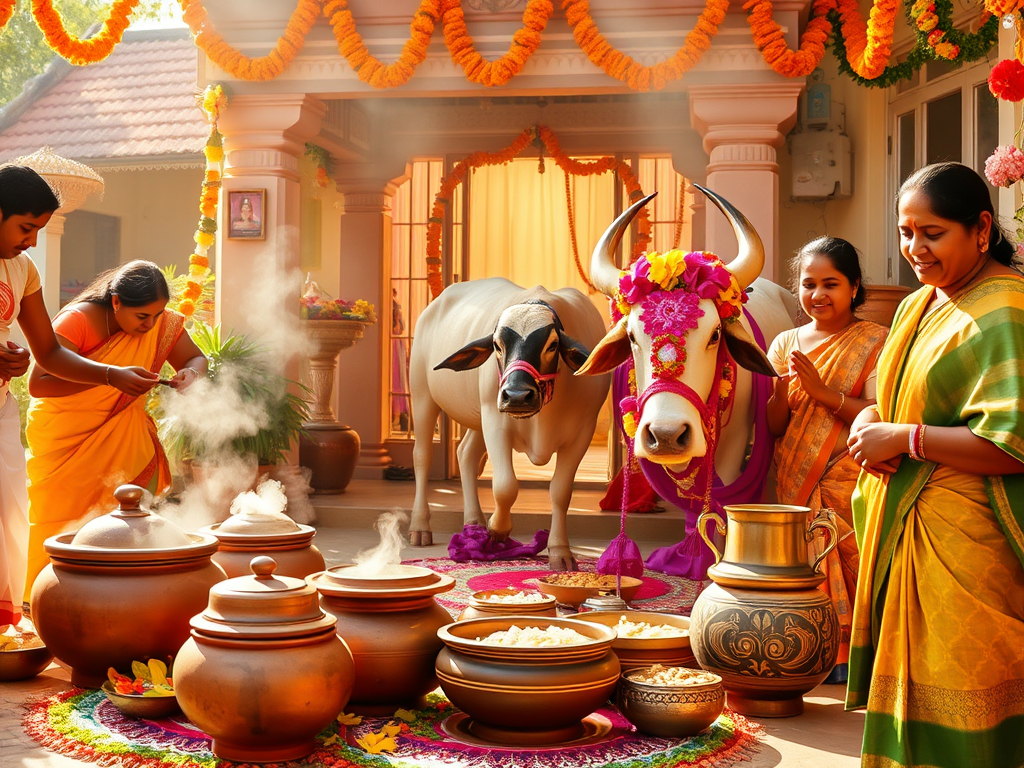
- South India: In South India, particularly Karnataka and Andhra Pradesh, the puja is often associated with specific food offerings like pandi (sweet made with rice flour and jaggery) and bobbattu (stuffed flatbread).
- Maharashtra: In Maharashtra, the puja might involve offering puran poli (a flatbread stuffed with a sweet lentil paste) and aarti with a specific arrangement of lamps.
- North India: In North India, some variations might include offering halwa (a sweet semolina pudding) and chanting specific bhajans


 HABBA
HABBA 
Leave a comment